The quick answer for a greenhouse that heats up while you are away

Automatic Greenhouse Window Opener detail view

A greenhouse auto vent no electricity setup is worth considering if your main problem is a roof window that needs opening when the sun comes out and closing again as conditions cool. A thermally activated greenhouse window opener is designed to react to warmth without mains power, batteries, switches or a wired control box. For a small UK garden greenhouse used for tomatoes, seedlings, peppers or mixed edible crops, that can remove one awkward job from workday mornings and changeable spring or summer afternoons.

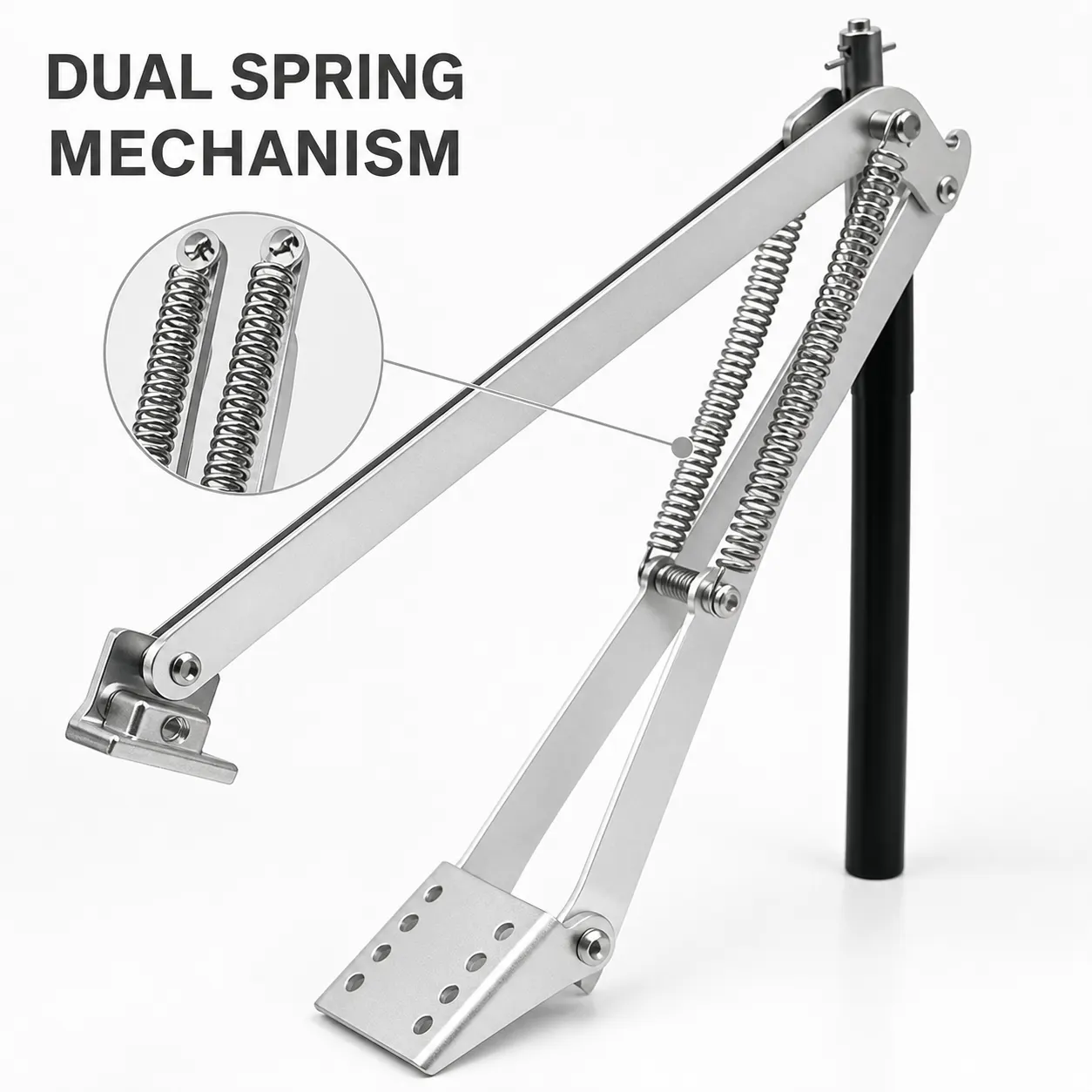
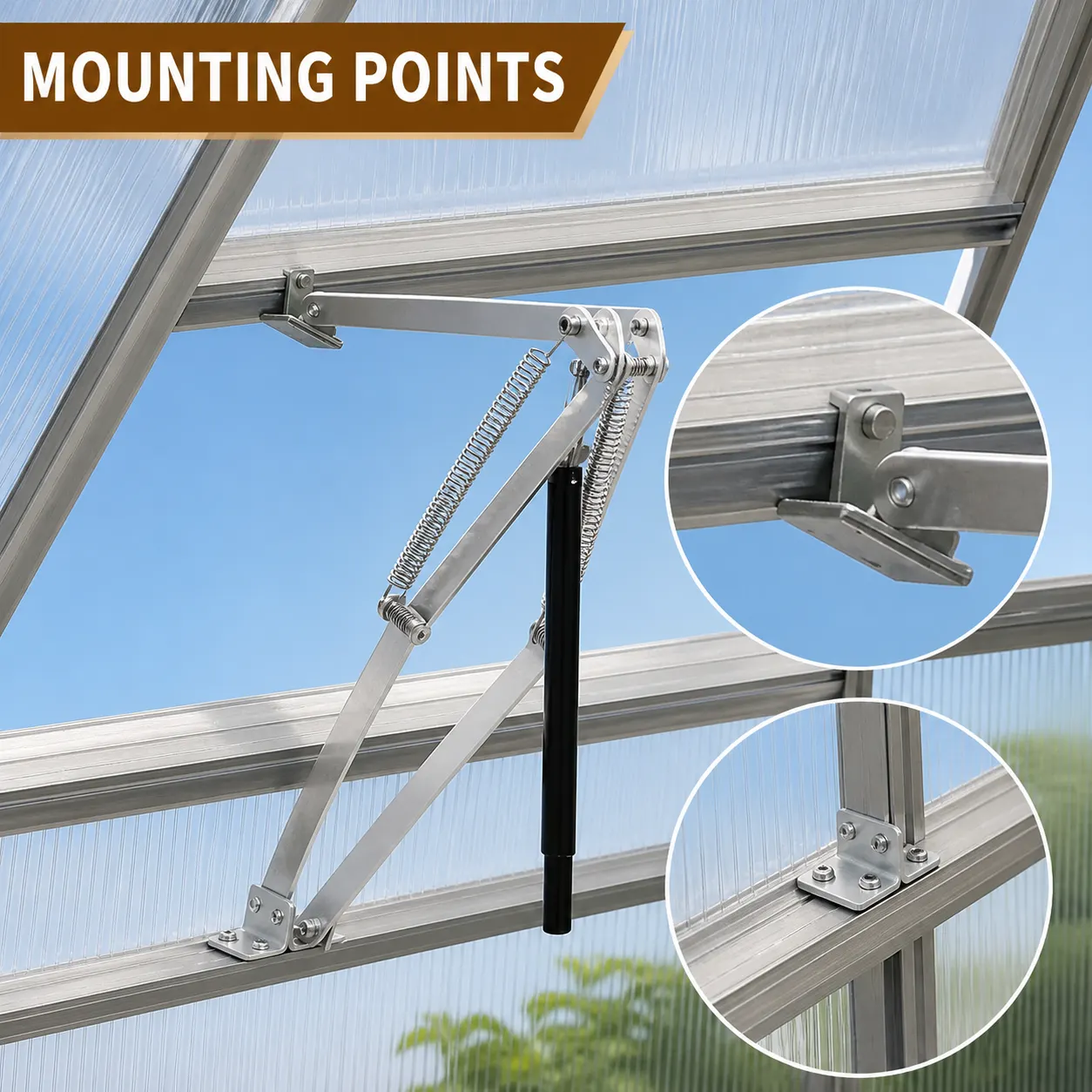
The important point is that the opener is only one part of ventilation, not a guarantee that every greenhouse will stay at the right temperature in every weather pattern. The documented product facts here are simple: it is listed as a thermally activated automatic greenhouse window opener, with all-aluminium dual-spring construction and a stated 7 kg or 15 lb load rating. That makes the buying decision mainly about whether your existing roof vent is the right sort of window, moves freely, and sits within that stated lifting requirement.

The UK greenhouse job this solves at a busy home plot

Picture a six-by-eight aluminium greenhouse at the end of a suburban garden in Bristol, Leeds or Guildford. The grower opens the roof vent before leaving for work, then the weather turns: cloud in the morning, sharp sun after lunch, cooler air by early evening. Manual opening works when someone is there, but it is fragile as a routine because gardening competes with school runs, errands, shifts, appointments and weekends away. The job is not clever automation for its own sake; it is making the roof vent respond when the gardener cannot.

That is why no-electricity matters. Many UK hobby growers do not want to run cables to the greenhouse, add sensors, manage batteries or fit a motorised actuator for a simple roof window. A thermal opener is a mechanical greenhouse accessory rather than an electrical project. It suits the buyer who wants a plain, passive upgrade for a greenhouse window and who is prepared to do sensible checks first. It is less suited to someone trying to control several zones, run fans, operate a door, or manage a louvre window with the wrong style of mechanism.

The documented facts to check against your actual roof vent

Start with the physical window, not the product title. The saved listing identifies a thermally activated greenhouse window opener and an automatic greenhouse window opener, so the relevant match is a greenhouse roof vent or window that opens on a hinge and can be lifted by a mechanism. If your greenhouse has side louvres, a sliding panel, a door, or a badly distorted secondhand frame, treat that as a different problem until you have confirmed the fitting style. The name alone should not be stretched into a promise that it suits every opening on every greenhouse.

Next, compare the vent with the listed load rating. The supplied facts state a 7 kg or 15 lb load rating. That is the clearest hard number available, so it should guide the decision. If you have a lighter aluminium-framed polycarbonate roof vent that opens cleanly, the check may be straightforward. If you have a heavier glass panel, an older branded greenhouse, a stiff hinge or an exposed site where the vent takes more strain, you should slow down and verify the weight and movement before treating the opener as the right choice.

A packing-bench checklist before ordering or fitting one

Use this as a practical check at the greenhouse or on a potting bench with the roof vent in view. First, name the opening: roof window, side louvre, door or something else. Second, open and close it by hand to see whether it moves freely without scraping, twisting or sticking. Third, check the frame material and condition, especially on older aluminium greenhouses where screws, hinges and manual stays may have been changed. Fourth, compare the vent weight with the listed 7 kg or 15 lb load rating rather than assuming any generic opener will lift it.

Then check the setting around the greenhouse. If the site is very exposed, the question is not only whether the mechanism can lift the vent, but whether the vent itself is in good order and sensible to automate. If the greenhouse regularly overheats even with the roof vent fully open, you may still need door opening, extra ventilation or shading during hotter spells. Finally, check that you are choosing a thermally activated opener because you want no-electricity operation, not because you need timed, remote or sensor-based control. Those are different buying jobs.

Where a no-electricity opener may be the wrong match

Do not buy this kind of opener as a cure for every greenhouse temperature problem. If your plants are suffering because the whole structure lacks airflow, one roof vent opener may not be enough. During a hot spell, especially in a small greenhouse packed with tomatoes or young plants, you may still need to open doors, use other vents or add shading. A thermal opener can reduce dependence on memory and presence, but it should not be treated as a complete climate-control system or a promise that crops cannot wilt, scorch or dry out.

It may also be the wrong match where the window is too heavy, stiff, warped or not actually a roof vent. The supplied information gives a load rating and construction details, but it does not provide universal compatibility, brand-specific fit claims, drilling instructions, certification data or performance timings. A cautious buyer with a heavy glass vent, an inherited unknown-brand greenhouse, a louvre setup or a windy exposed plot should make the fit decision from measurements and physical checks, not from the comforting idea that all greenhouse vent openers are interchangeable.

How to compare passive thermal openers with electric solutions

The simplest comparison is power source and control. A thermally activated opener is intended to respond to heat without electricity. That suits a gardener who wants fewer manual trips to the greenhouse and does not want wiring, batteries or electronic controls. An electric actuator, by contrast, belongs in a different decision: timed operation, sensors, switches, remote control or a wider powered ventilation system. If your search started with solar or automatic greenhouse ventilation, be clear whether you mean heat-reactive no-electricity opening or a powered system using a panel and electronics.

The second comparison is physical load rather than technology. For this documented opener, the stated figure is 7 kg or 15 lb, with all-aluminium dual-spring construction. Those are useful facts, but they do not replace checking the vent. A passive opener is a sensible candidate when the roof window is within rating and already moves cleanly. An electric system is not automatically better if the frame is stiff or the window is unsuitable; it may simply add complexity. The best choice is the one that matches the opening, not the one with the most dramatic product label.

A sensible setup sequence for a secondhand aluminium greenhouse

For an older greenhouse, begin by restoring the basic movement before fitting any automatic opener. Clear dirt from the hinge area, check that the roof vent sits squarely, and make sure the window can be lifted and lowered by hand without forcing it. If the old manual stay is bent, missing or improvised, identify what it was doing before replacing its job with a thermal mechanism. This matters because an opener can only work well with the movement it inherits; it is not a repair for a twisted vent or a frame that no longer lines up.

Once the vent moves freely, match the product facts to the job. You are looking at a thermally activated greenhouse window opener with all-aluminium dual-spring construction and a 7 kg or 15 lb load rating. That tells you the broad purpose and the load boundary, but not every detail of your frame. If you are unsure about drilling, bracket position or whether your window is a roof vent rather than a louvre, pause before ordering. The most practical next step is to photograph the vent, note the frame material and estimate the lifted panel weight.

The grounded next step before you buy

Stand in the greenhouse at the time of day when the heat problem usually appears and look at the roof vent as a working part, not as a product slot to fill. If it opens easily, is the right style of greenhouse window, and appears to sit comfortably within the 7 kg or 15 lb rating, a no-electricity thermal opener is a reasonable option to compare. If the vent is heavy, jammed, side-mounted as a louvre, or part of a brand-specific system, the better next step is identifying the correct opener type before spending money.

For many UK hobby growers, the appeal is simple: fewer anxious days wondering whether the greenhouse was left shut in the sun. The documented product facts support that use case only to a point: thermal activation, automatic greenhouse window opening, all-aluminium dual-spring construction and the stated load rating. Use those facts as a boundary. Choose it when the job is a freely moving greenhouse roof window that needs passive heat response. Avoid it when the real problem is whole-greenhouse cooling, a difficult frame, a door, a louvre or a need for powered control.